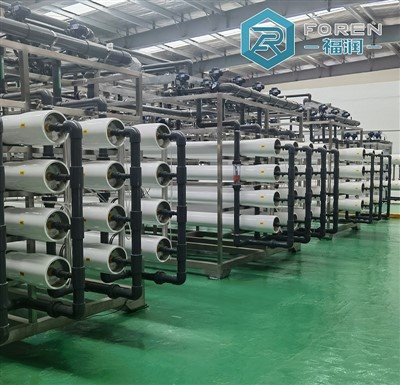


Can a wastewater recycling system be used in the construction industry? This is a question that has been gaining significant attention in recent years, especially as the construction industry continues to grapple with environmental challenges and resource scarcity. As a supplier of wastewater recycling systems, I am well - placed to discuss the feasibility and benefits of implementing such systems in construction projects.
The Current Situation of Water Usage in Construction
The construction industry is a major consumer of water. Water is used for various purposes on construction sites, including concrete mixing, dust suppression, equipment cleaning, and site irrigation. Traditional construction methods often rely on a continuous supply of fresh water, which can lead to excessive water consumption. For instance, in large - scale building projects, the amount of water used for concrete production alone can be staggering. Concrete mixing requires a precise amount of water to achieve the desired strength and workability, and any excess water is often wasted.
Moreover, construction activities generate a substantial amount of wastewater. This wastewater contains a variety of contaminants, such as sediment, heavy metals, oils, and chemicals from construction materials. Discharging this untreated wastewater into the environment can have severe ecological consequences, including water pollution, soil degradation, and harm to aquatic life.


The Feasibility of Wastewater Recycling in Construction
- Technological Viability: Modern wastewater recycling systems are equipped with advanced technologies that can effectively treat and purify construction - generated wastewater. These systems typically include processes such as filtration, sedimentation, and chemical treatment. For example, sedimentation tanks can remove large particles and solids from the wastewater, while filtration units can further trap smaller impurities. Additionally, advanced chemical treatment methods can neutralize harmful substances and disinfect the water, making it suitable for reuse.
- Cost - Effectiveness: Although the initial investment in a wastewater recycling system may seem significant, it can lead to long - term cost savings. By reusing treated wastewater, construction companies can reduce their dependence on fresh water sources, which can result in lower water bills. Additionally, avoiding the costs associated with wastewater disposal, such as sewerage fees and potential fines for non - compliant discharges, can further contribute to cost savings.
Types of Wastewater Recycling Systems for Construction
- Greywater Reuse System: A Greywater Reuse System is designed to treat and reuse greywater, which is wastewater generated from non - toilet plumbing fixtures such as sinks, showers, and washing machines. In a construction context, greywater can be collected from on - site temporary facilities and treated for reuse in activities such as dust suppression or irrigation. This system is relatively simple and cost - effective, making it a practical option for many construction projects.
- Reclaimed Water Reuse System: A Reclaimed Water Reuse System is more comprehensive and can treat a wider range of wastewater, including sewage and industrial effluents. In construction, this system can be used to treat wastewater generated from construction processes and on - site facilities. The treated reclaimed water can be used for high - demand applications such as concrete mixing, where the quality of water needs to meet certain standards.
Benefits of Implementing Wastewater Recycling Systems in Construction
- Environmental Benefits: One of the most significant benefits of using wastewater recycling systems in construction is the positive impact on the environment. By reducing the demand for fresh water, these systems help conserve this precious resource. Additionally, treating and reusing wastewater prevents pollution of natural water bodies, protecting aquatic ecosystems and biodiversity.
- Regulatory Compliance: Many regions have strict regulations regarding wastewater discharge from construction sites. Implementing a wastewater recycling system can help construction companies comply with these regulations, avoiding potential fines and legal issues.
- Enhanced Reputation: In today's environmentally conscious society, construction companies that adopt sustainable practices such as wastewater recycling can enhance their reputation. This can lead to increased business opportunities, as clients are more likely to choose environmentally responsible contractors.
Case Studies
- Case Study 1: A High - Rise Building Project
In a large - scale high - rise building project in a major city, the construction company installed a greywater reuse system. The system collected greywater from on - site temporary offices and worker accommodation facilities. The treated greywater was then used for dust suppression on the construction site. As a result, the project was able to reduce its fresh water consumption by 30% and significantly cut down on dust pollution in the surrounding area. - Case Study 2: A Bridge Construction Project
A bridge construction project implemented a reclaimed water reuse system to treat wastewater generated from concrete mixing and equipment cleaning. The treated reclaimed water was reused in subsequent concrete mixing processes. This not only reduced the project's water consumption but also improved the consistency and quality of the concrete, as the treated water had a more stable chemical composition.
Challenges and Solutions
- Technical Challenges: One of the main technical challenges in implementing wastewater recycling systems in construction is the variability of wastewater quality. Construction - generated wastewater can contain different types and concentrations of contaminants depending on the construction activities and materials used. To address this, advanced monitoring and control systems can be installed to adjust the treatment processes according to the real - time quality of the wastewater.
- Space Constraints: Construction sites often have limited space, which can make it difficult to install large - scale wastewater recycling systems. However, compact and modular systems are available that can be easily installed in small spaces. These systems can be customized to fit the specific needs of the construction project.
Conclusion
In conclusion, a wastewater recycling system can indeed be effectively used in the construction industry. The technological viability, cost - effectiveness, and numerous benefits make it a practical and sustainable solution for construction companies. By implementing these systems, construction projects can reduce their environmental impact, comply with regulations, and enhance their reputation.
If you are a construction company looking to reduce your water consumption, comply with environmental regulations, and enhance your sustainability profile, I encourage you to consider implementing a wastewater recycling system. As a supplier of high - quality wastewater recycling systems, I am ready to provide you with the best solutions tailored to your specific needs. Contact us for more information and to start a procurement discussion.
References
- American Society of Civil Engineers. (20XX). Water Management in Construction.
- Environmental Protection Agency. (20XX). Guidelines for Wastewater Treatment in Construction Sites.
- World Bank. (20XX). Sustainable Construction Practices and Water Resource Management.