

When it comes to ensuring clean and safe water for your home or business, a reverse osmosis (RO) system is often the go-to solution. As a supplier of high-quality reverse osmosis systems, I understand the importance of choosing the right system to meet your specific needs. In this blog post, I'll guide you through the process of selecting the ideal RO system, taking into account various factors such as water quality, usage requirements, and budget.
Understanding Reverse Osmosis
Before diving into the selection process, it's essential to have a basic understanding of how reverse osmosis works. Reverse osmosis is a water purification process that uses a semi-permeable membrane to remove impurities, contaminants, and dissolved solids from water. Water is forced through the membrane under pressure, leaving behind unwanted substances and producing clean, filtered water.
Assessing Your Water Quality
The first step in choosing the right RO system is to assess your water quality. This involves testing your water to determine the presence and concentration of various contaminants. Common contaminants found in water include bacteria, viruses, heavy metals, pesticides, and dissolved solids. You can either purchase a water testing kit or hire a professional water testing service to analyze your water.
Once you have the test results, you can identify the specific contaminants that need to be removed from your water. This will help you determine the type and capacity of the RO system you need. For example, if your water contains high levels of dissolved solids, you may need a system with a higher rejection rate to effectively remove these contaminants.
Determining Your Water Usage
Another important factor to consider is your water usage. This includes the amount of water you use on a daily basis and the specific applications for which you need the water. For example, if you have a large family or a commercial business, you may need a system with a higher production capacity to meet your water demands.
You should also consider the type of water you need for different applications. For example, if you need water for drinking and cooking, you may want a system that produces high-quality, purified water. On the other hand, if you need water for irrigation or industrial processes, you may not require the same level of purification.
Choosing the Right Type of RO System
There are several types of RO systems available on the market, each with its own features and benefits. Here are some of the most common types of RO systems:
- Point-of-Use (POU) RO Systems: These systems are designed to provide purified water at a single point of use, such as a kitchen sink or a refrigerator. POU RO systems are typically compact and easy to install, making them a popular choice for residential applications.
- Whole House RO Systems: Whole House Reverse Osmosis System These systems are designed to treat all the water entering your home, providing clean, purified water for all your household needs. Whole house RO systems are typically larger and more expensive than POU RO systems, but they offer the convenience of having purified water throughout your home.
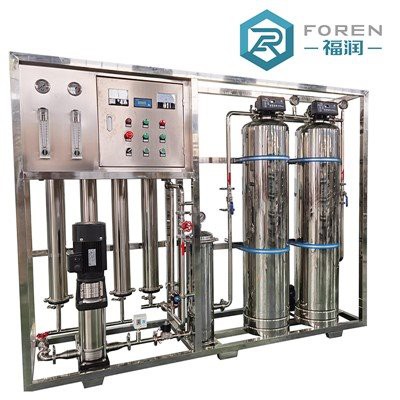
- Commercial RO Systems: These systems are designed for commercial and industrial applications, such as restaurants, hotels, and manufacturing plants. Commercial RO systems are typically larger and more powerful than residential RO systems, and they can handle higher volumes of water.
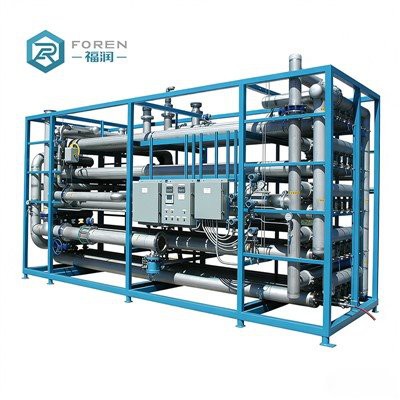
- Double Pass RO Systems: Double Pass Reverse Osmosis System These systems use two stages of reverse osmosis to provide even higher levels of purification. Double pass RO systems are often used in applications where ultra-pure water is required, such as in the pharmaceutical and electronics industries.
Considering the System Capacity
The capacity of an RO system refers to the amount of water it can produce per day. When choosing an RO system, it's important to consider the capacity of the system based on your water usage. If you have a large family or a commercial business, you may need a system with a higher capacity to meet your water demands.
The capacity of an RO system is typically measured in gallons per day (GPD). For example, a system with a capacity of 50 GPD can produce 50 gallons of purified water per day. It's important to choose a system with a capacity that is appropriate for your needs. If you choose a system with a capacity that is too low, you may not have enough purified water to meet your demands. On the other hand, if you choose a system with a capacity that is too high, you may be wasting energy and water.
Evaluating the System Features
In addition to the type and capacity of the RO system, you should also consider the features and benefits of the system. Here are some of the features you may want to look for:


- Membrane Quality: The quality of the RO membrane is one of the most important factors in determining the performance of the system. Look for a system with a high-quality membrane that can effectively remove contaminants from your water.
- Filtration Stages: The number of filtration stages in an RO system can affect the quality of the purified water. Look for a system with multiple filtration stages to ensure that your water is thoroughly purified.
- Automatic Shut-Off: An automatic shut-off feature can help prevent water waste and damage to the system. Look for a system with an automatic shut-off feature that will turn off the system when the storage tank is full.
- Easy Maintenance: Look for a system that is easy to maintain and clean. This will help ensure that the system continues to perform effectively over time.
Setting Your Budget
Finally, you need to consider your budget when choosing an RO system. RO systems can vary in price depending on the type, capacity, and features of the system. It's important to set a budget and choose a system that meets your needs and budget.
Keep in mind that the initial cost of the RO system is not the only cost you'll incur. You'll also need to consider the cost of replacement filters, maintenance, and energy consumption. Make sure to factor in these costs when setting your budget.
Conclusion
Choosing the right reverse osmosis system for your needs can be a challenging task, but by considering the factors discussed in this blog post, you can make an informed decision. Remember to assess your water quality, determine your water usage, choose the right type of RO system, consider the system capacity, evaluate the system features, and set your budget.
If you have any questions or need further assistance in choosing the right RO system for your needs, please don't hesitate to contact us. We're here to help you find the perfect solution for your water purification needs.
References
- "Reverse Osmosis: A Comprehensive Guide." Water Quality Association.
- "How to Choose the Right Reverse Osmosis System." Home Water Solutions.
- "Understanding Reverse Osmosis." American Water Works Association.