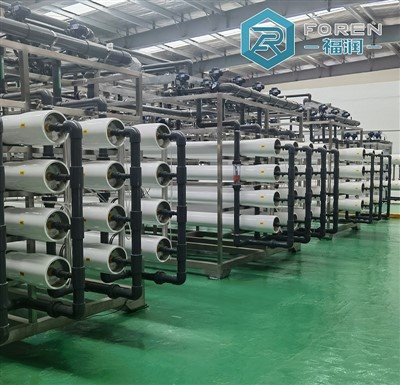


EDI (Electrodeionization) equipment is a crucial component in water treatment systems, offering high - purity water solutions for various industries such as pharmaceuticals, electronics, and power generation. As an EDI equipment supplier, I understand the importance of a proper installation process. In this blog, I will guide you through the steps of installing EDI equipment.
Pre - installation Preparation
Before you start the installation of EDI equipment, several preparatory steps are necessary. First, you need to select an appropriate location. The installation site should be flat and stable, with enough space around the equipment for easy operation and maintenance. The area should also be well - ventilated to prevent heat build - up. Additionally, make sure the location is protected from direct sunlight and extreme weather conditions, as these can affect the performance and lifespan of the EDI system.
Secondly, check the incoming water quality. EDI equipment requires a certain quality of inlet water to operate effectively. Generally, a pre - treatment system is required to ensure that the water meets the specifications. This pre - treatment may include processes like filtration, reverse osmosis (RO), and activated carbon adsorption. For example, a RO EDI Water System combines RO and EDI technologies, where the RO system first removes a large portion of impurities, and then the EDI system further purifies the water to a higher level.
Thirdly, gather all the necessary tools and materials for the installation. This typically includes wrenches, screwdrivers, plumbing fixtures, and electrical wiring. Make sure all the tools are in good working condition, and the materials match the specifications of your EDI equipment.
Installation of EDI Equipment
Plumbing Installation
The first step in the installation process is the plumbing connection. Start by connecting the inlet water pipe to the EDI unit. Use appropriate plumbing fittings and ensure a tight seal to prevent leaks. The inlet water should be connected to the pre - treatment system first and then directed to the EDI unit.
Next, connect the product water outlet and the reject water outlet. The product water is the purified water that will be used in your process, while the reject water contains the removed impurities. The reject water should be properly drained to a suitable wastewater disposal system. When connecting the pipes, pay attention to the flow direction marked on the EDI equipment to ensure correct installation.
For larger EDI systems or multiple - module setups, proper piping layout is essential to ensure even water distribution. Use appropriate valves to control the water flow and pressure. You may also need to install flow meters and pressure gauges to monitor the water parameters during operation.
Electrical Installation
EDI equipment requires a stable electrical power supply. Before starting the electrical installation, make sure the power source meets the voltage and frequency requirements of the EDI unit. It is recommended to have a dedicated electrical circuit for the EDI equipment to avoid interference from other electrical devices.
Connect the electrical wires according to the wiring diagram provided by the manufacturer. The wiring should be carefully routed to prevent damage and ensure safety. Install appropriate electrical protection devices such as circuit breakers to protect the EDI equipment from electrical faults.
The electrodes in the EDI system need to be connected correctly. These electrodes are crucial for the ion - exchange process in the EDI unit. Check the polarity of the electrodes and ensure proper connection to the power supply. Incorrect electrode connection can lead to ineffective operation or even damage to the EDI equipment.
Control System Installation
Most modern EDI equipment comes with a control system that allows for easy operation and monitoring. Install the control panel in a convenient location where operators can easily access it. Connect the control panel to the EDI unit and other related components such as sensors and valves.
Configure the control system according to the specific requirements of your application. Set the parameters such as flow rate, pressure, and water quality targets. The control system should be able to automatically adjust the operation of the EDI equipment based on the monitored data. For example, if the inlet water quality changes, the control system can adjust the voltage applied to the electrodes to maintain the desired product water quality.
Post - installation Checks and Commissioning
Leak Checks
After the plumbing installation is complete, perform a thorough leak check. Fill the system with water and pressurize it to the normal operating pressure. Inspect all the connections, joints, and gaskets for any signs of leakage. If any leaks are found, tighten the connections or replace the faulty gaskets.
Electrical Inspections
Check the electrical connections to ensure they are secure and free from any loose wires or short - circuits. Use an electrical tester to verify the proper functioning of the electrical components. Make sure the grounding system is properly installed to prevent electrical hazards.


System Commissioning
Before putting the EDI equipment into full - scale operation, conduct a commissioning process. Start by flushing the system with clean water to remove any debris or contaminants that may have accumulated during the installation. Then, gradually introduce the pre - treated water into the EDI unit and start the electrical power supply.
Monitor the system parameters such as water flow rate, pressure, conductivity, and pH. These parameters should be within the specified range. If any abnormal values are detected, troubleshoot the issue immediately. For example, if the conductivity of the product water is higher than expected, it may indicate a problem with the resin in the EDI unit or an electrical connection issue.
Maintenance and Support
Proper installation is just the beginning of ensuring the long - term performance of your EDI equipment. Regular maintenance is essential to keep the system running smoothly. This includes activities such as resin replacement, membrane cleaning, and electrode inspection.
As a supplier of EDI equipment, we offer comprehensive maintenance and support services. We can provide you with detailed maintenance schedules and procedures. Our technical team is also available to assist you with troubleshooting and any technical issues you may encounter during the operation of the EDI equipment.
Why Choose Our EDI Equipment
Our EDI Water Purification System is designed with the latest technology, ensuring high - efficiency water purification. Our RO EDI System and Electrodeionization EDI System are known for their reliability and long - term performance. Our Electrodeionization System is suitable for a wide range of applications, from small - scale laboratory use to large - scale industrial processes.
If you are considering purchasing EDI equipment, the installation process is a critical factor to consider. Our experienced team can not only provide you with high - quality EDI equipment but also offer professional installation services. We are committed to ensuring that you get the most out of your EDI system.
Contact us today to discuss your specific requirements and find the best EDI solution for your needs. We look forward to the opportunity to work with you and contribute to your water treatment projects.
References
- "Water Treatment Handbook" - A comprehensive guide on various water treatment technologies including EDI.
- Manufacturer's manuals of EDI equipment, which provide detailed installation, operation, and maintenance instructions.