
Many mineral water plant operators I have spoken to share similar real world pain points. After investing in new filling machinery, some find that fast running standalone filling units get held back by mismatched upstream water treatment output. Others struggle with frequent mold changes that create unexpected downtime, or face recurring hygiene headaches when hard to reach equipment corners are not easy to clean on daily shifts. These practical site side issues are often overlooked in generic product brochures, yet they decide whether a production line can deliver expected returns over years of operation.

At Qingzhou Foren Water Treatment Equipment Co., Ltd., our engineering team sees small bottle mineral water filling machines not as a magic one fix all hardware, but as one critical piece within the whole plant workflow. Over years serving local and overseas drinking water manufacturers, we have learned that real production gains rarely come from simply stacking every available module. Instead, improvements grow out of matching equipment capability to actual factory conditions: existing workshop layout, shift arrangements, operator skill levels, and even local water source quality all make a tangible difference to day to day performance.
A typical on site project will start with our technical team reviewing the customer's real output target, rather than directly recommending the highest spec model on our catalog. For instance, one small scale mineral water plant aimed to hit stable 4 000 bottles per hour output. Initially, the client considered purchasing a high speed filling monoblock rated for 12 000 BPH. After site evaluation, our engineers pointed out that their pre existing water treatment system could not supply enough qualified treated water to feed such capacity. Going with over sized filling equipment would only lead to frequent idle running and unnecessary capital waste. We adjusted the whole line configuration accordingly, aligning water treatment throughput, bottle unscrambling speed and filling rhythm. After commissioning, the facility reached its practical target without over investing on surplus capacity.


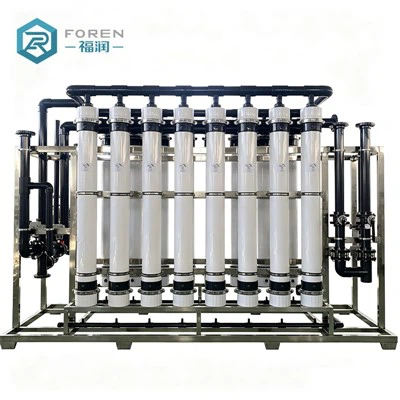
Our modular layout is designed around such real world constraints. The line combines water treatment units, bottle unscrambler, rinser filler capper, labeling, inkjet coding and final packaging machines. Instead of pushing for so called "one stop turnkey" in every situation, we keep modules separable. If a plant only needs film wrapping at present and plans to add carton packing two years later, customers do not need to rebuild the complete line. They can reserve connection interfaces and add new stations later. Still, we always remind buyers that modular flexibility has limits. Major bottle size jumps will involve replacing key mould sets, which means scheduled production stops, and these change over times should be calculated into production planning.
On the operational floor, stable efficiency relies heavily on how well operators interact with automation hardware. Our filling units come fitted with HMI touch screen and PLC control system. Operators input filling volume, running speed and alarm thresholds through the interface. Built in self check routines flag abnormal pressure readings or cap feeding faults and trigger alerts. Even with these automatic protections, machines cannot solve every problem on their own. On site teams still need to carry out routine visual checks. Filter element blockages, minor wear on sealing rings, or slight deviations in incoming air pressure can slip past automatic sensors and slowly raise rejection rates if left unaddressed.
Precision filling helps cut material loss, yet perfect metering does not exist. Our metering assemblies are calibrated within factory testing conditions. Once installed at customer premises, actual filling volumes will shift with fluctuations of incoming water temperature and system pressure. Field technicians perform repeated calibration during commissioning, and we advise plants to arrange periodic re calibration as part of their standard maintenance checklist. This practice helps hold rejection rates down, avoiding waste from over filled bottles or under filled non compliant goods.


Sanitation represents another constant challenge for drinking water manufacturers. Wetted parts are constructed with food grade stainless steel. We shape equipment frames to reduce dead zones, facilitating CIP cleaning cycles. Even with well thought out mechanical design, hygiene outcomes still depend heavily on human execution. If staff skip portions of cleaning procedures due to tight shift schedules, contamination risks rise regardless of how well the machine was engineered. In our after sales sessions, our technicians walk local teams through practical cleaning sequences, point out easily missed spots, and help build workable daily sanitation routines that fit their shift timetables.
In terms of bottle compatibility, our filling lines handle common round and square plastic screw cap bottles. Practical usable ranges sit roughly at bottle diameters Φ50 mm Φ100 mm and heights 150 mm 330 mm. It is worth noting that not every bottle within these dimension numbers works flawlessly. Thin wall lightweight PET bottles, popular for cost saving purposes, demand extra adjustment for clamping and transfer mechanics. Thin bottles deform more easily under pressure, and may bring higher broken bottle rates if parameters remain set for thicker wall containers. Our team will test fit customer supplied bottle samples before finalizing equipment specifications.
Capacity options cover from 3 000 BPH up to 24 000 BPH. These figures are laboratory rated maximum values. Real world achievable output will almost always be lower. Factors such as bottle feeding jams, cap supply interruptions, scheduled cleaning and routine component replacement all eat into effective running hours. When discussing project proposals, our sales and engineering groups will clarify this gap for customers, so expectations stay grounded in shop floor reality.

We frequently observe a recurring purchasing pitfall: plant managers fixate on single machine brochure parameters while paying insufficient attention to cross station synchronization. A fast filler cannot deliver its rated output if upstream bottle supply stutters, or downstream packaging cannot keep pace. For this reason, our proposal work includes checking the matching rhythm across every linked station. At Foren, we do not merely ship individual machines. Our scope includes site survey, customized scheme drafting, manufacturing, field installation commissioning, hands on operator training, and ongoing technical backup. We also openly communicate potential weak points of the proposed setup during proposal stage, instead of only listing positive selling points.
The drinking water market grows increasingly competitive. Many old generation workshops relied heavily on manual work. Labor heavy workflows bring obvious drawbacks: inconsistent operating standards, difficult sanitation supervision, and limited scalability. Switching to automated lines brings major improvements, yet automation is not a shortcut. Factories still need capable operators, documented maintenance workflows, and reasonable spare part stock. Automation shifts where risks appear, but it does not erase operational risks entirely.

Small bottle mineral water filling systems are substantial long term capital investment. Drawing on accumulated field experience, Qingzhou Foren Water Treatment Equipment Co., Ltd. combines practical water treatment know how with filling process expertise. We deliver tailored production set ups targeting high efficiency, controllable waste levels and solid hygiene performance. Our goal is helping mineral water producers build robust production capacity that matches their real world operating conditions, rather than chasing ideal spec figures from product flyers.