
Project Overview
Qingzhou Foren Water Treatment Equipment Co., Ltd. specializes in complete water treatment equipment and turnkey filling line projects for natural mountain spring water, mineral water, and purified water. We provide global water source facilities with one-stop engineering services, including water quality analysis, process selection, equipment manufacturing, on-site installation and commissioning, and operational training. The 5-gallon returnable barrel production line project for the mountain spring water plant in Laoshan District, Qingdao-scheduled for completion and commissioning in March 2026-is a turnkey bottled water project custom-engineered for the granite-fissure mountain spring water source of Mount Lao.
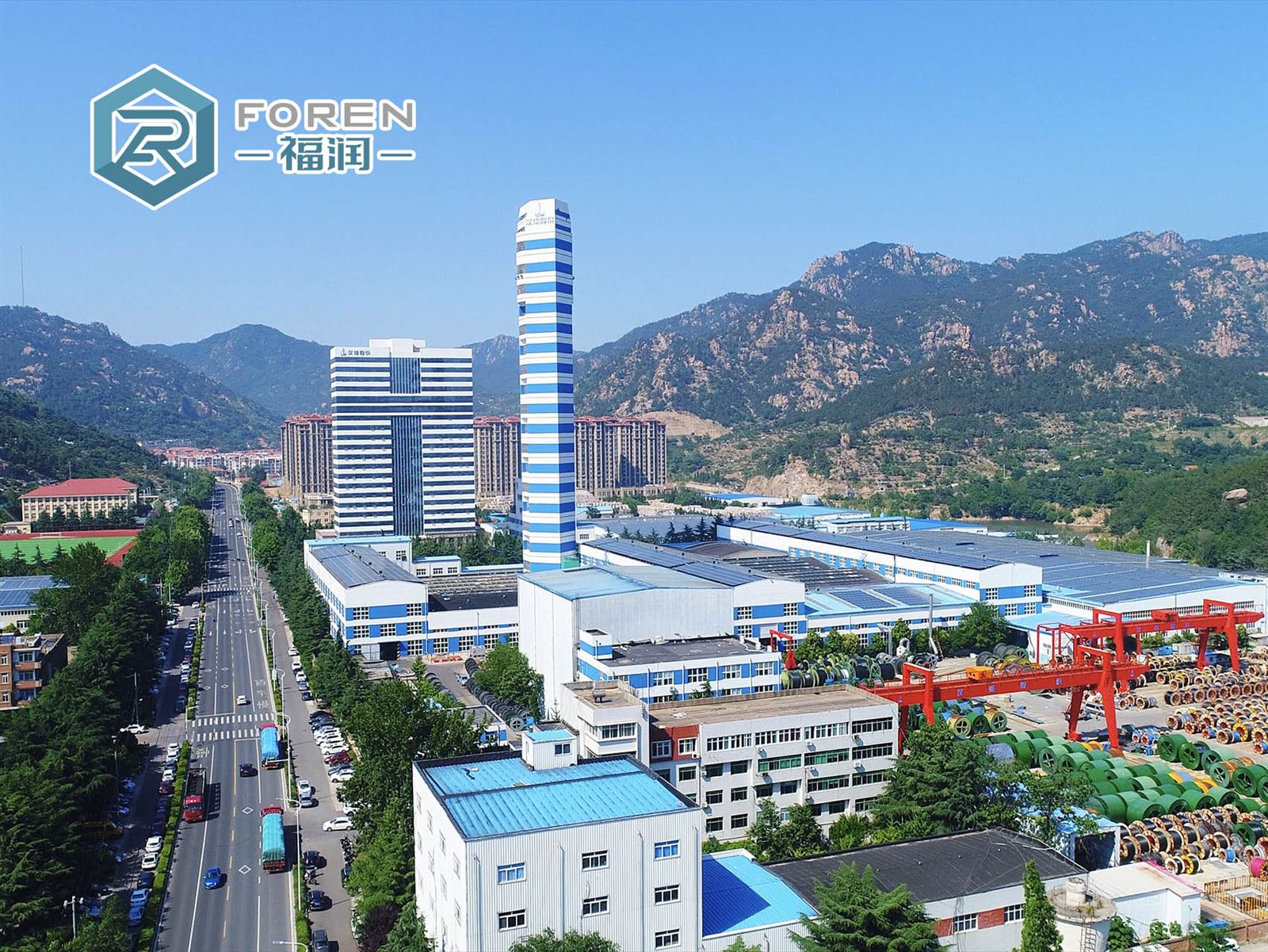
Project Location: Laoshan District, Qingdao City, Shandong Province, China. The facility focuses on mountain spring water sourced from deep granite fissures in Erlong Mountain, Mount Lao. Leveraging the unique geological conditions of Mount Lao, the raw water is naturally rich in metasilicic acid and enjoys high recognition in the local Qingdao market. The client commissioned a complete 5-gallon returnable barrel production line. The system integrates the main water treatment unit and a filling line that automates the entire process: starting with film cutting and cap removal, followed sequentially by barrel exterior washing, interior washing, filling, capping, light inspection, neck sealing, coding, bagging, and final palletizing.
Analysis of Laoshan Water Source Quality and Equipment Selection Logic
Analysis of Local Water Source Quality
The water source at Xiaowang Village, Erlong Mountain (Mount Lao), is a deep, naturally upwelling spring originating from granite fissures. The water undergoes slow percolation and mineralization through granite strata formed over millennia, resulting in clear water with a pH of 7.3–7.9 (naturally weakly alkaline) and low mineralization. Its core advantage is a stable content of metasilicic acid, accompanied by beneficial trace minerals such as calcium, magnesium, and strontium. With a sweet, smooth taste, it serves as a premium water source for the local bottled water market. However, this water source shares common drawbacks typical of mountain water sources:
1. Seasonal water quality fluctuations: During the rainy season, surface runoff carries silt, suspended solids, and trace amounts of humus into the water, increasing turbidity; during the dry season, reduced flow rates extend water residence time, raising the risk of microbial proliferation.
2. Trace colloids and rock debris: Leaching from granite releases fine colloidal particles; over long-term operation, these tend to adhere to membrane elements and inner pipe walls, causing equipment clogging.
3. Specific risks associated with reusable bottled water production: The exterior surfaces of recycled PC (polycarbonate) barrels easily accumulate soil and dust during transport and storage. Manual wiping cannot meet food-grade facility hygiene standards, and contaminants carried into the clean room can cause secondary pollution.
Equipment Recommendation Strategy
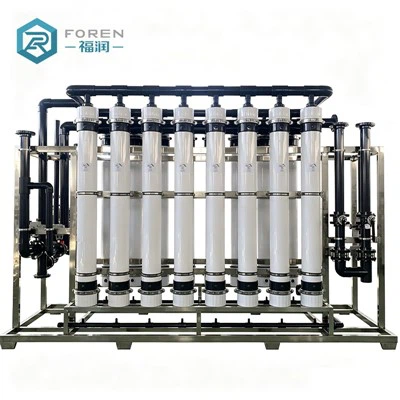
Based on the water quality characteristics and the client's product positioning-mountain spring water that retains metasilicic acid-we opted against high-rejection reverse osmosis equipment. Instead, we selected a nanofiltration (NF) system paired with a disinfection unit combining UV sterilization and ozone generation. Nanofiltration membranes effectively reject colloids, large-molecule organics, bacteria, and some heavy metals while retaining the spring water's natural metasilicic acid and trace minerals, thereby balancing water safety with product marketability. Regarding the filling stage: Given that the client primarily produces 5-gallon reusable PC bottled water, a fully automatic external barrel washer serves as the core pre-processing unit. It removes soil and stains from the barrel exterior outside the clean room, reducing the contamination load within the clean area. This is followed by a sequence of multi-stage internal washing, disinfectant soaking, and purified water rinsing to ensure hygiene and safety for reused barrels. The entire production line features centralized PLC control; the equipment layout is tailored to the existing facility's ceiling height and drainage conditions while allowing adequate space for operation and maintenance.
Client Requirements
The client has a long-standing presence in the Qingdao drinking water market, possessing deep insight into local supermarkets, corporate/institutional clients, and the home delivery sector, alongside established sales networks and brand management capabilities. The client established strict, high-standard requirements for the entire production line:
1. Product Positioning: The finished product is bottled mountain spring water. The water treatment process must not completely demineralize the water; it must consistently retain natural metasilicic acid to preserve the signature taste of Laoshan mountain spring water, distinguishing it from ordinary purified water on the market.
2. Compliance: The entire line must meet SC (Food Production License) audit standards. Water quality indicators must consistently comply with the national standard for "Drinking Natural Spring Water" and pass routine spot checks. The cleaning process for returnable barrels must be comprehensive to eliminate the risk of cross-contamination.
3. Continuous Production Capability: Equipment must support long-term, full-load continuous operation to handle the surge in orders during the peak season for bottled water in Qingdao. It must feature a low failure rate and facilitate easy daily maintenance for the plant's operations team.
4. Automation & Labor Reduction: Minimize manual tasks such as in-workshop transport and manual barrel wiping to reduce the risk of human-induced contamination and control long-term labor costs.
5. End-to-End Delivery: The client required a single engineering provider capable of delivering both the water treatment system and the complete bottling line. They wanted to avoid sourcing purification and filling equipment from multiple vendors, which could lead to integration disputes and a lack of coordinated after-sales support.
The client conducted on-site inspections of multiple water treatment equipment manufacturers before ultimately selecting Qingzhou Foren Water Treatment Equipment Co., Ltd. They valued our experience with mountain spring water projects, our capability to deliver an integrated production line, and our comprehensive service chain, which includes on-site commissioning and operational training.

Project Implementation: Our Approach to On-Site Execution
As the project's engineering lead, our team carefully considered various factors when executing the plan on-site.
After reviewing the project blueprints and workshop floor plan, we prioritized the sequencing of production processes. In returnable barrel production, external barrel contamination is a frequently overlooked risk. Therefore, we insisted on positioning the fully automatic external barrel washer at the entrance of the clean workshop. Returned barrels undergo external wall scrubbing at this station before entering the clean workshop for decapping, internal washing, and filling; we avoided placing the external washing process inside the clean zone to prevent dirt and stains from contaminating the workshop environment.
Next, we addressed the piping layout for the water treatment system. To address turbidity fluctuations in the source water during the rainy season, we incorporated a multi-stage pretreatment system upstream of the nanofiltration unit and included backwash discharge piping, allowing for future adjustments to the flushing cycle based on changing water quality. Regarding sterilization, we positioned the UV system downstream of the nanofiltration unit for instantaneous sterilization prior to filling, while the ozone system feeds into the purified water tank to provide long-lasting bacteriostatic protection; these two systems operate independently, allowing for separate activation or shutdown to meet varying production demands.
Workshop ceiling height, drainage systems, and floor gradients were also key priorities during on-site construction. Since the cleaning stations on the bottled water line generate significant wastewater, we verified the layout of drainage channels on-site to ensure rapid discharge and prevent pooling, thereby eliminating the risk of microbial growth caused by standing water. During equipment installation, we utilized vibration-dampening bases to minimize vibrations from the filling unit and high-pressure pumps, thereby protecting pipe connections and reducing the risk of future leaks.
Throughout the construction phase, we coordinated closely with the client's production management team to provide early training on basic equipment operation and daily inspection protocols, rather than waiting until installation was fully complete to conduct training. Once piping connections were finalized, we performed sectional hydrostatic testing to identify and address any leaks; integrated system testing for the entire production line followed the successful commissioning of individual units. In March 2026, the production line successfully completed a 24-hour continuous full-load trial run, meeting all standards for water quality, container cleaning efficacy, and production capacity, leading to a successful project handover.
Production Line Configuration and Process Flow
1. Water Treatment Unit: Multi-media filter, activated carbon filter, and precision security filter + low-pressure nanofiltration main unit; equipped with UV sterilizer and ozone generator.
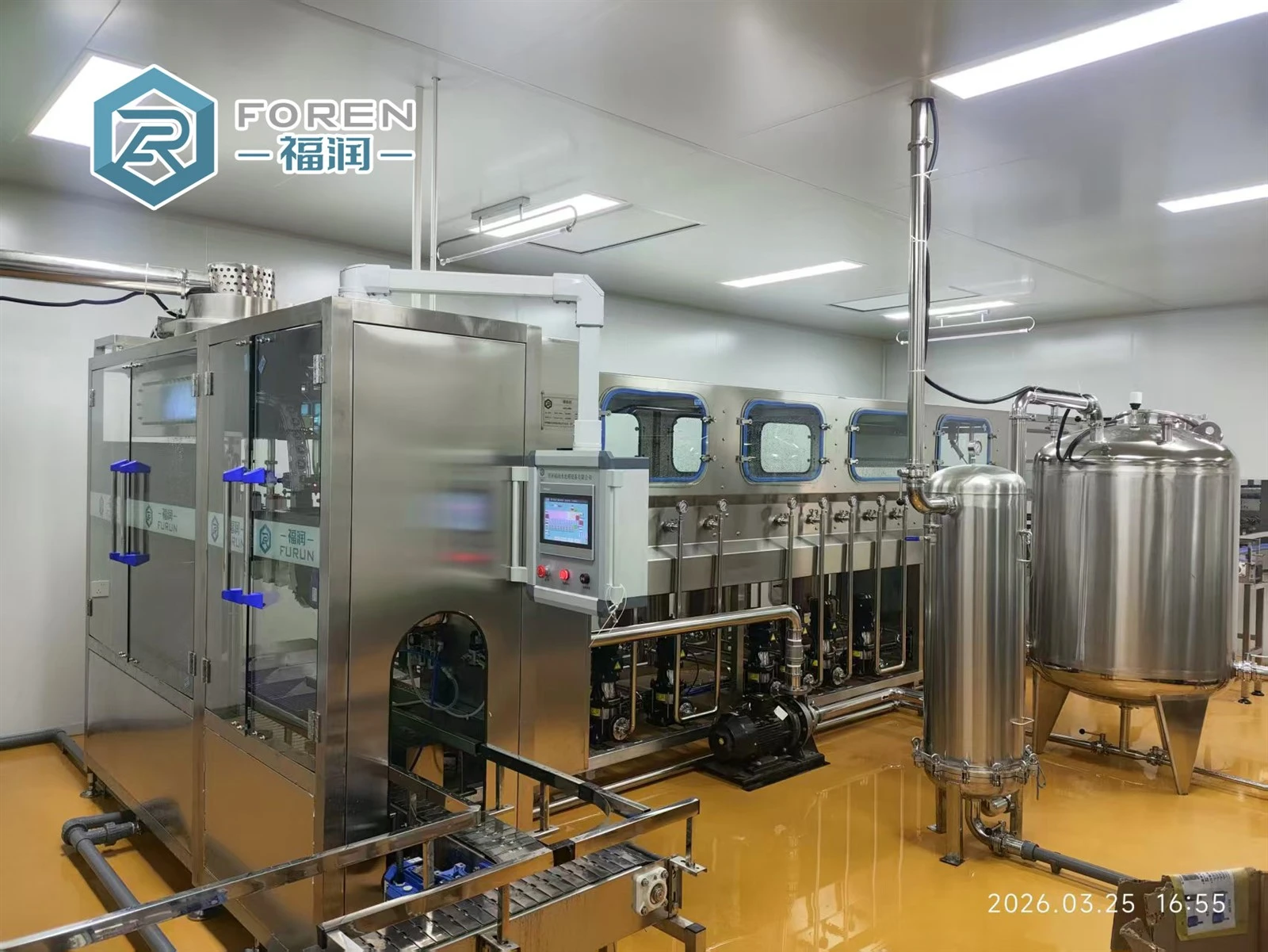
2. Filling Production Line (5-Gallon Returnable Bottles): Empty bottle conveying → Automatic decapper → Fully automatic external washer (brushes + high-pressure spray cleaning for bottle body, bottom, and outer neck) → Bottle inversion/internal washing station (alkali wash, disinfectant soak, multi-stage purified water rinse) → Automatic filling → Capping/sealing → Online visual inspection → Laser coding → Automatic bagging → Finished product palletizing.
The entire line utilizes food-grade 304 stainless steel piping and tanks, features PLC automation with automatic fault alarms, and ensures production data traceability.

Actual Performance Results Post-Commissioning
Since commencing operations in March 2026, the 5-gallon returnable bottle production line for Qingdao Laoshan Mountain Spring Water has operated stably:
1. Stable and Controllable Mineral Indicators: The nanofiltration process effectively retains the spring water's natural metasilicic acid; the finished product preserves the crisp, sweet taste characteristic of Laoshan Mountain Spring Water, aligning with the brand's positioning.
2. Significantly Improved Bottle Cleaning Quality: The fully automatic external washer thoroughly removes dust and mud from the exterior of returned bottles, drastically reducing contamination risks in the clean workshop and ensuring a consistent pass rate for bottle cleaning.
3. Water Quality Compliance: Deep purification via nanofiltration combined with dual UV and ozone sterilization ensures long-term compliance with microbiological standards and meets SC production audit requirements.
4. Cost Reduction and Efficiency Gains through Automation: The entire process-from external bottle washing to finished product packaging-is automated, reducing labor requirements and ensuring strong production continuity with stable high-volume output during peak seasons.
5. Operational Adaptability to Local Conditions: The pre-treatment system handles increased raw water turbidity during the rainy season; nanofiltration membrane cleaning is straightforward, allowing the client's own staff to perform routine maintenance.
Project Summary
The mountain spring water project in Laoshan District, Qingdao, China, serves as a successful case study for a complete, integrated production line dedicated to reusable (returnable) bottled mountain spring water. The project demonstrates that for mountain spring water sources naturally rich in metasilicic acid, the processing technology selected should not simply replicate standard reverse osmosis (RO) systems used for purified water. Furthermore, in reusable bottled water operations, cleaning the exterior of the containers is the first line of defense for hygiene control; the proper layout of the external washing machine directly determines the baseline hygiene standard for the entire production line.
Qingzhou Foren Water Treatment Equipment Co., Ltd. specializes in the construction and renovation of natural mountain spring and mineral water plants. We offer customized process solutions-such as mineral-retaining nanofiltration or RO-based purification-tailored to specific water quality, facility conditions, and product positioning. We provide comprehensive, turnkey engineering services covering everything from site surveys, design, and equipment manufacturing to on-site installation, commissioning, and after-sales maintenance for fully automated lines handling 5-gallon reusable bottles, single-use bottles, and standard bottled water.

Customized Turnkey Solutions for Mountain Spring Water Plants
If you possess a mountain spring or granite-fissure water source and plan to build or upgrade a reusable bottled water production line-specifically one that retains natural metasilicic acid and requires a complete system ranging from external washing to finished product packaging-please contact Qingzhou Foren Water Treatment Equipment Co., Ltd. We provide one-stop engineering services, including on-site water sampling and testing, workshop layout planning, customized process design, on-site equipment installation and commissioning, and operational training.
Related Links: Mineral-Retaining Nanofiltration Water Treatment Equipment | Fully Automated 5-Gallon Reusable Bottled Water Production Line | Turnkey Bottled Water Plant Engineering Case Study (SC-Compliant)