
Walk into any beverage plant, and your eyes naturally drift toward the filling line. Watching bottles spin onto conveyors, get filled, sealed and labelled, it feels like a rhythm that never stops. Most visitors stop right there, admiring the finished product rolling out. Few pause to ask what makes that clean, consistent drink possible before it ever reaches the filler. That's the part our team at FOREN WATER TREATMENT spends most of our days troubleshooting.

I've sat through dozens of plant audits where clients only notice the water system once something goes wrong. Raw water is unpredictable. One client's borehole water would spike in iron after heavy rain; another factory's municipal supply carried fluctuating chlorine levels depending on the time of day. Left unmanaged, these shifts quietly mess with production. Run untreated water straight into filling equipment for blending, and you'll spot the difference fast: one batch of iced tea tastes harsher, juice turns dull, carbonated drinks lose their fizz faster. Worse, unregulated microbes can trigger spoilage and swollen bottles - a nightmare for brands that have spent years building trust with buyers. That's why we never sell a one-size-fits-all water treatment setup.
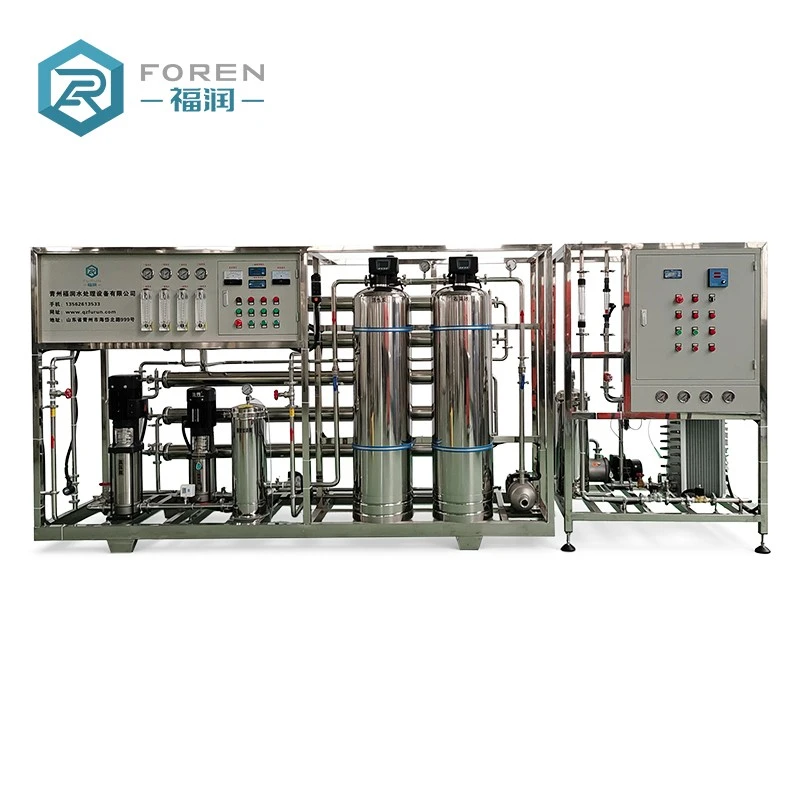
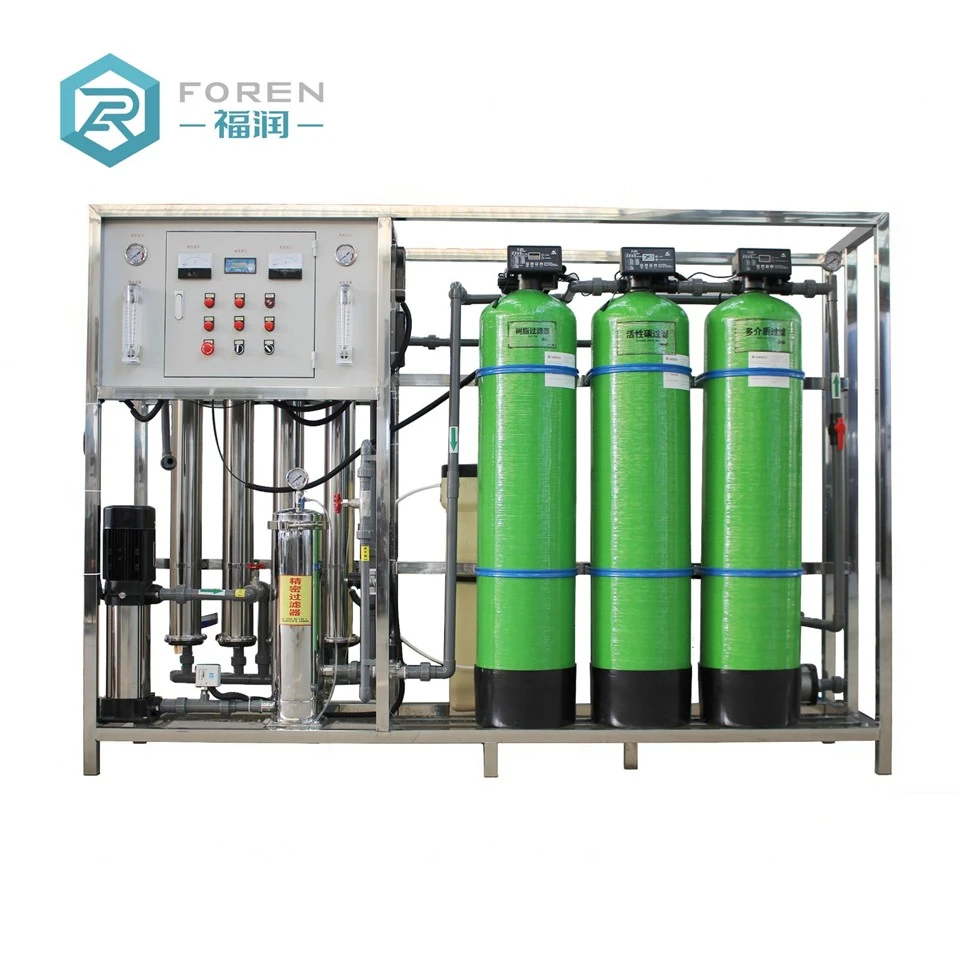

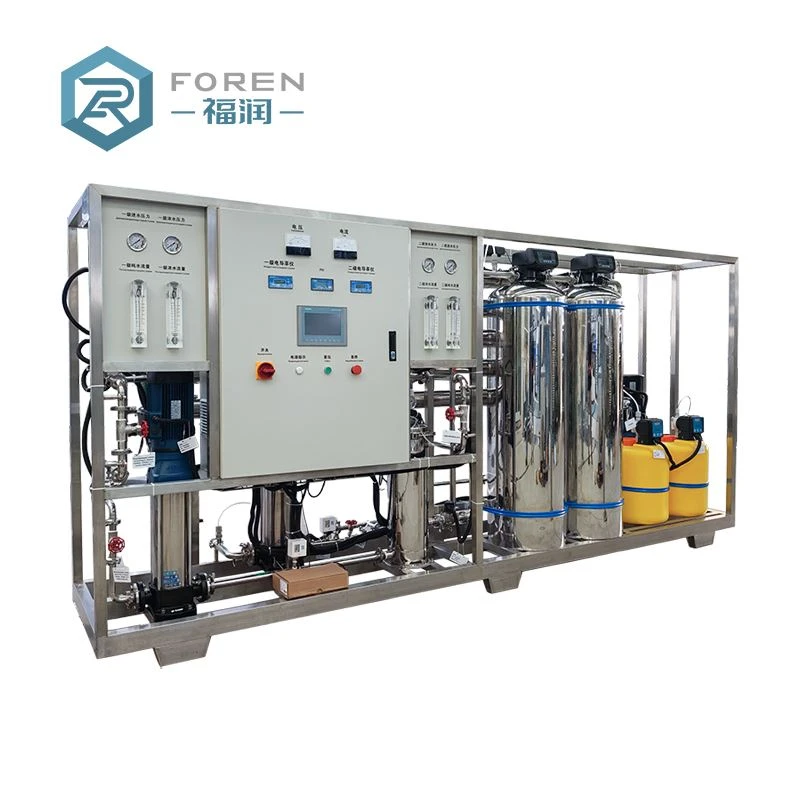
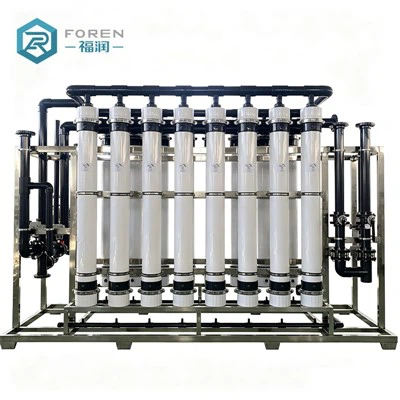
Every system we design at FOREN WATER TREATMENT is mapped to a site's actual raw water test report. A typical workflow starts with multi-media filters, sized to cut turbidity down below 1 NTU and trap silt and loose sediment. Activated carbon beds then strip residual chlorine, which would otherwise burn through RO membranes in a matter of months. Softeners bring total hardness down below 0.5 mg/L as CaCO₃, a practical threshold that keeps scale from crusting inside heat exchangers, pipe runs and filling equipment. After a 5 micron cartridge filter for final particle protection, feed water hits the RO skid. Our standard RO units deliver 98–99% salt rejection, yielding process water with stable conductivity. For customers making high-purity functional drinks or premium bottled water, we add EDI modules to push conductivity even lower. We pair UV disinfection with dosed ozone; we tune ozone residuals carefully, usually holding 0.3–0.5 ppm in the holding tank, just enough to suppress microbial regrowth without creating bromate risk. This sequence isn't just a checklist - it's the setup we refine on-site during commissioning.
The difference good process water makes shows up in formulation work. A beverage developer I worked with once fought batch inconsistency for six months until they upgraded their water treatment. Hard water pushes tea tannins out, making the brew dark and astringent. Even tiny chlorine residuals oxidise fruit aromatics, stripping away the fresh notes customers expect. With steady water quality from our water treatment equipment, formulators don't keep adjusting sugar or acid levels to compensate for water variation. Every batch passing through the filling equipment holds the same flavour profile, which builds repeat customer loyalty. Low-organic purified water also eases the load on pasteurisation and reduces the chance of biofilm forming in blending tanks, cutting down on unexpected shelf-life failures.

When we scope a new line, we always ask for the plant's peak hourly water demand, not just average flow. A filling line that surges during high-speed runs can starve an undersized water system and trigger pressure drops. Our automated control panels track conductivity, pH, feed pressure, flow and ozone dosage continuously, logging data locally for food safety audits. I also make a point to walk clients through routine maintenance: scheduled carbon replacement every 12–18 months, membrane cleaning when normalized flux drops by 15%, and weekly CIP cycles for tanks and distribution piping. Skipping these steps is the number one reason otherwise well-built systems drift out of spec after a year or two.
Buyers today are far more attentive to what goes into their drinks. Water treatment equipment is not an afterthought bolted onto the side of the production hall. At FOREN WATER TREATMENT, we see it as the quiet foundation that works alongside filling equipment across the whole beverage production flow. Water purification locks in raw material safety upstream, while filling equipment handles hygienic packaging downstream. It's satisfying to revisit plants months after start-up and hear that their quality complaints have dropped, and their lab test results stay steady. That's the real payoff of getting the water right.